
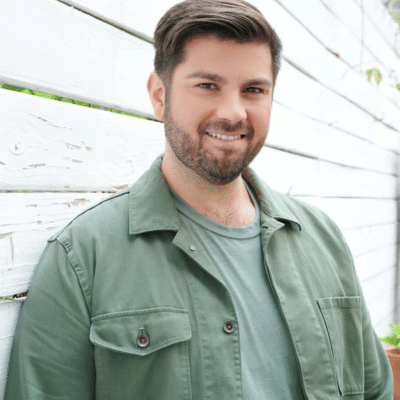
The quality of the air we breathe inside our homes is something that most of us take for granted. Yet, as Michael Rubino, the renowned "Mold Medic," and author highlights in a recent thought-provoking podcast episode, it can be a hidden determinant of our overall health and well-being. Rubino's journey began post-Hurricane Sandy, a transformative event that opened his eyes to the profound impact that indoor environments have on our health. His story is not just a personal crusade but a public awakening to the dangers of poor air quality in our modern, energy-efficient homes.
Rubino delves into the world of mold and its relationship with modern building practices, which, while designed to conserve energy, have inadvertently created a breeding ground for indoor air pollution. As our buildings became more airtight, the natural exchange of air was restricted, leading to a buildup of humidity, human pathogens, and household toxins. This cocktail of indoor pollutants is not just unpleasant; it has the potential to trigger a range of health issues, particularly autoimmune diseases linked to chronic inflammation.
The rise in autoimmune conditions such as rheumatoid arthritis and SIBO (small intestinal bacterial overgrowth) is alarming. Through the lens of scientific research, Rubino explains how chronic inflammation, often stemming from environmental factors like mold exposure, can lead the body to attack itself in what's known as an autoimmune response. The correlation between the air quality and such diseases is a revelation that is still not widely recognized, even within the medical community.
From his marketing background to becoming an industry maverick, Rubino's transformation into a mold remediation expert underscores the urgency to rethink our approach to indoor air quality. He challenges the traditional methods of mold removal, emphasizing the need for comprehensive cleaning protocols that tackle the issue at its root, rather than merely providing temporary relief.
Rubino's commitment to improving indoor air quality is further exemplified by his innovative home testing kits, which employ PCR technology to help individuals detect environmental hazards in their homes. These kits empower homeowners and renters to take control of their living spaces and protect their health. With simple, color-coded results, the process demystifies the often-complex field of environmental testing, making it accessible to all.
Looking to the future, Rubino envisions a world where the health of 100 million people is improved annually by 2030. He believes in the power of education and innovation to drive this change, as well as the role of businesses and individuals in creating a healthier society. As Rubino gears up for the release of his upcoming book, he remains a beacon for those seeking to understand and take action against the hidden dangers in our air.
In conclusion, Michael Rubino's conversation on indoor air quality is not just an eye-opener; it's a call to action. It reminds us that while our health is multifaceted, the air we breathe is a critical component that deserves our attention. By understanding and addressing the quality of our indoor air, we can take a significant step towards a healthier, happier life.