
Our culture teaches us to think in narrow lines, chase labels, and call it a life. Yet many of us feel the fracture: a world that seems upside down, and an inner voice that says there is more.
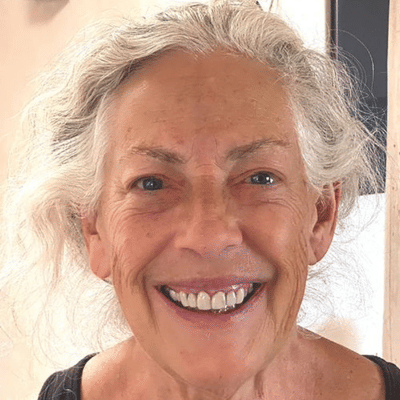
In this conversation with elder and lineage keeper Kay Cordell Whitaker, we explore the roots of that fracture and the blind beliefs many of us inherit without ever questioning them. Kay introduces Ka Ta See, an ancient tradition with Peruvian and Egyptian threads, and explains how awakening isn’t lofty theory but a daily practice of attention. The idea is simple: if what we carry inside radiates outward, then clearing the inner field is one of the most powerful ways to influence the world around us.
Kay’s path began in the 1970s with adopted elders who modelled a clarity and innocence she felt was missing in modern life. Their view was simple but confronting: our culture often runs on an upside-down wheel—judgment, rigidity, rushed conclusions, and the conflicts they generate.
Their remedy, however, is practical. Begin by questioning everything. Notice how quickly the mind jumps to judge, expect, assume, or conclude. Kay describes these habits as the Seven No-Nos: blind beliefs, judgments, expectations, assumptions, jumping to conclusions, arrogance, and negative perception. Each one drains energy outward and reinforces identities built more on survival than truth.
Beneath those identities sits a wider perspective: everything is alive. In Ka Ta See, every atom, rock, river, and star carries consciousness. From this view, we don’t experience life through just five senses; we also perceive through subtle “spirit senses.” While modern language struggles to describe them, the experience is familiar—concepts, images, and feelings moving instantly through our awareness.
Kay’s guidance is simple: learn to feel again. When we slow down, turn inward, and observe our thoughts honestly, we begin to notice the masks that speak in our minds. Writing them down can reveal their patterns and loosen their grip. The practice isn’t about blame or shame, but about awareness and choice.
From there, responsibility can shift into something lighter. Kay shares a practice called the song ceremony. It begins with recalling a moment of pure feeling—love, awe, beauty—and holding attention on that feeling until it grows. That feeling becomes your “song,” a reminder of your natural state beneath the noise.
As this awareness strengthens, the Seven No-Nos become easier to recognise in everyday life. Judgment softens into discernment. The reflex of “I already know that” loosens into curiosity. Negative perception gives way to clearer seeing. The process is simple but ongoing: notice, feel, choose again.
In this light, midlife can become fertile ground for change. As roles shift and old stories lose their grip, there is space to question what was inherited and rediscover what is authentic.
Kay also speaks about ancient “weavings”—ceremonies that imagine a more balanced world by restoring beauty, clarity, and harmony to the collective field. Whether through ritual or daily awareness, the principle is the same: what we stabilise within influences what we create around us.
If we are powerful enough to co-create a chaotic world, we are powerful enough to create something different. The invitation isn’t to fix everyone else, but to become sovereign within ourselves—and live from that place with consistency, kindness, and clarity.