

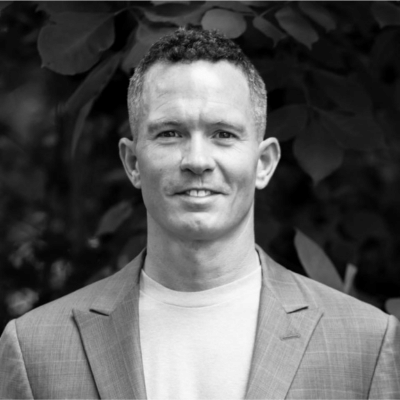
Midlife is often framed as a slow decline. What many of us experience as “falling apart” is more often the body asking for safety after years of pushing through. In my conversation with health coach and nervous system specialist Mitch Webb, we trace a long arc — from traumatic brain injuries and long COVID to a more grounded way of living. His story reflects a pattern that’s familiar to many: insomnia, gut pain, skin flares, anxiety, fatigue. These symptoms aren’t random. They’re what shows up when a nervous system has been living in survival mode for too long.
When fight or flight becomes the default, or when a kind of functional freeze takes hold, tolerance narrows. Small stressors feel bigger than they should. The usual coping strategies stop working. Fixes that once helped lose their impact. Things begin to change when dysregulation is recognised for what it is, rather than treated as another problem to solve.
Mitch’s turning points followed a series of missteps that will sound familiar. After mold exposure, Lyme disease, and an early detox done badly, his symptoms escalated — skin flares, brain fog, metabolic disruption. Then a second TBI and years of long COVID were added to the mix. Like many people searching for answers, he went all in on biohacking, fasting, and strict protocols. The belief was simple: the right approach would force a breakthrough. Instead, he discovered something harder to accept. The constant effort to fix things was keeping his system on edge.
Change came when he slowed down enough to notice what his body could actually tolerate. Through somatic education, therapy, and his work with Irene Lyon’s approach, Mitch began paying attention to sensation instead of overriding it. Feeling the chair beneath him. Noticing his breath. Allowing small releases — a sigh, a swallow, a shift — to be enough. Sleep didn’t return because he chased it. It returned once his body stopped bracing.
We also talk about the cultural layer that keeps many nervous systems wound tight. Most of us were raised to override hunger, ignore fatigue, and push through pain. Rest is postponed. Symptoms are suppressed. Alcohol and distraction become normal tools. Add constant comparison, fear-driven messaging, and pressure to perform, and it’s no surprise the body eventually protests. Mitch questions the usefulness of separating trauma into “big T” and “little t.” The outcome is often the same: a system that’s had more than it can process. Sometimes it’s one major event. Sometimes it’s years of quiet self-abandonment.
For people who feel overwhelmed — or strangely numb — the entry point is simple awareness. Anchoring in the present moment might mean noticing the room, tracking sound, or feeling feet on the floor. Sensations are observed, not managed. When intensity rises, attention shifts to something neutral or settling. Over time, the body begins to offer more information — tension in the jaw, heat in the chest, fluttering in the belly. You don’t need to dig for old stories. Often, when the system feels steadier, it unwinds what it’s been holding on its own. Understanding that symptoms can be part of this process, rather than signs of failure, reduces fear. That alone changes a lot.
Mitch’s work now brings together functional health and nervous system support for people who feel stuck despite having tried everything — long COVID, chronic fatigue, burnout, high performers running on empty, parents stretched thin. Progress isn’t dramatic. It looks like eating regular meals without anxiety, moving without crashing, holding firmer boundaries with family, and sleeping because the body trusts it can. The larger shift he describes isn’t abstract or spiritualised. It’s practical. Learning to live in your body again. Speaking honestly without force. Choosing connection over constant effort. In that sense, midlife becomes less about decline and more about repair — a return to yourself that quietly reshapes how you work, relate, and rest.