
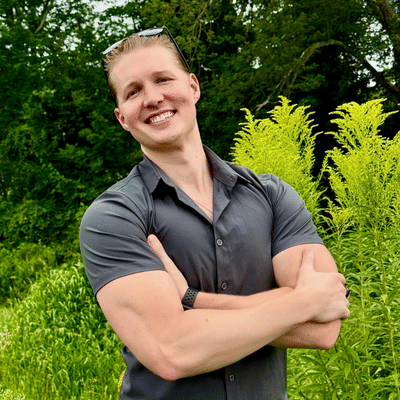
Midlife can look full from the outside while feeling hollow on the inside. That gap is what we explore through Alan Lazaros’s story, from high achievement in corporate tech to a life-altering car accident that forced a re-evaluation of meaning and purpose. The core idea is simple but confronting: success, money, and status don’t automatically create fulfilment. For many women in midlife, this shows up as quiet dissatisfaction, fatigue, burnout, and even guilt for wanting more when life seems fine. This conversation reframes that feeling as a signal, not a flaw, pointing toward a more aligned life shaped by intentional choices, self-trust, and steady personal growth.
A key theme is alignment across the areas that shape daily life. Many systems focus on one dimension: corporate environments prioritise professional success, the personal development space can overlook practical skills, and fitness culture often ignores long-term life design. Alan’s approach brings these together through a simple lens of health, wealth, and love, so growth in one area doesn’t come at the expense of another. For women navigating midlife, careers, family responsibilities, and emotional labour, this integrated approach supports balance without the pressure of doing everything at once. It allows for a more sustainable version of wellbeing, identity, and confidence.
The conversation also explores the patterns that sit underneath behaviour: people-pleasing, overachieving, and the pressure to be everything for everyone. These patterns are often tied to self-worth and can keep women locked into roles that look capable but feel draining. Alan introduces a mindset framework of victim, villain, hero, and guide, suggesting that the most grounded place to land is the guide. This is where self-belief and self-worth are both strong, where you stop overextending yourself and begin setting clear boundaries. In practical terms, it comes back to keeping promises to yourself, building self-efficacy, and choosing commitments that support your long-term growth rather than deplete you.
Finally, the episode offers a way to make decisions when you’re not sure what is truly yours versus what has been shaped by expectation. Fulfilment becomes a signal of alignment, while regret highlights where something is off. The idea that “the whisper becomes a scream” explains why ignored signals often build into burnout, health issues, or relationship strain. To keep this grounded, Alan shares a simple framework: you may want an outcome, love part of the process, and dislike another part, but your life shouldn’t be built around what consistently drains you. Combined with essentialism, this becomes a practical midlife strategy — narrowing your focus, protecting your energy, and making choices that reflect the life you actually want to live.